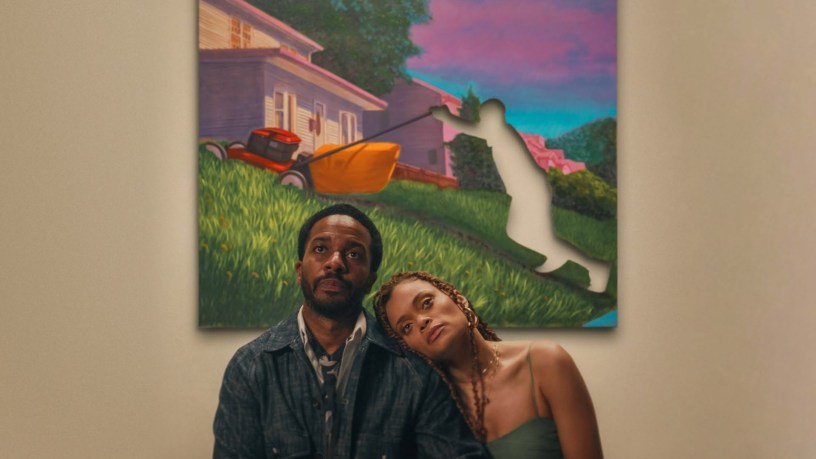
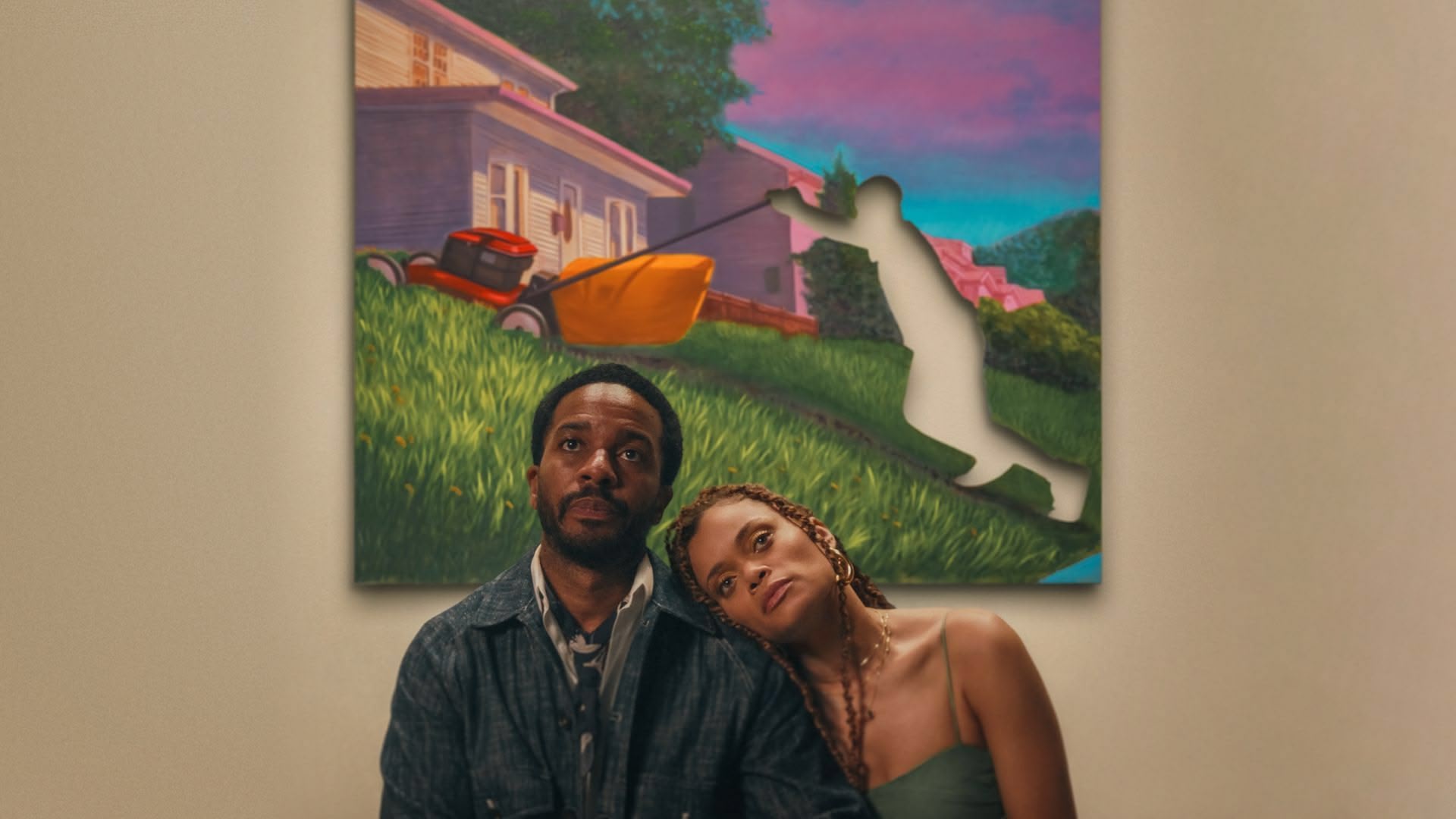
Finally arriving on UK screens almost 18 months after its premiere at the 2024 edition of Sundance and landing straight on streaming with absolutely zero fanfare, it’s sad to see Titus Kaphar’s Exhibiting Forgiveness treated so poorly by its distributors. This is a forceful and gorgeous debut, covering the trendy modern subject matters of trauma and self-care and pouring straight out of the heart of its writer-director, and it deserves more eyes on it than its minimalist release strategy will earn it.
A very autobiographical tale from Kaphar, who provides not only the life story but also the actual paintings that fuel the plot, Exhibiting Forgiveness immerses us in a turbulent couple of weeks in the life of highly successful artist Tarrell (Andre Holland), whose life and mental state is derailed by the sudden return of his estranged dad. This is La’Ron (John Earl Jelks), who we first meet living on the streets and come to learn is the source of all Tarrell’s traumas (he often wakes straight from nightmares into instant panic attacks) and who has been absent for the last 15 years. Having finally cleaned up his act, La’Ron wants forgiveness, but really hasn’t done anything to earn it.
It’s this conflict at the heart of Kaphar’s story, Tarrell oscillating between his completely rational hatred of his father and the fact that letting that hate go would benefit not just the pair of them, but also Tarrell’s mum (Aunjanue Ellis-Taylor), his wife Aisha (an underbaked role for Andra Day) and his own young son. Tarrell’s anguish is extremely well-played by Holland, with Jelks matching him all the way as the monstrous-yet-pitiable La’Ron and, even if the other performances are let down by thin characterisation, this central two-hander has enough superb acting for the whole film.
Bar a couple of clunky lines (at one point someone does just say ‘not all problems can be worked out on canvas’), there’s a grace and ease to a lot of the dialogue here, a fine balance between feeling natural and deliberate, Kaphar and his lead duo also knowing exactly when to let words fail. Sentences catch in these characters’ throats in a deeply real, affecting way, ensuring that debates about what makes a good man or how pointless it is to retreat to the Bible instead of feeling your own feelings never come across as point-scoring or didactic.
It’s also all just beautiful-looking, mixing Kaphar’s painterly instincts with career-best work from DP Lachlan Milne to create frames rich in colour and depth and late summer light, a visual sumptuousness that the film somehow manages to wear very lightly, a vital triumph that keeps things compelling during the story’s significant slow spells. It would have looked even better in a cinema but, alas, that’s not an option for any UK audiences. If Kaphar does add a film string permanently to his artistic bow, I truly hope his future work gets treated better but, until then, this is a cinematic career worth getting in at the ground floor for, no matter the size of the screen.
 Jack Blackwell – Film Reviews