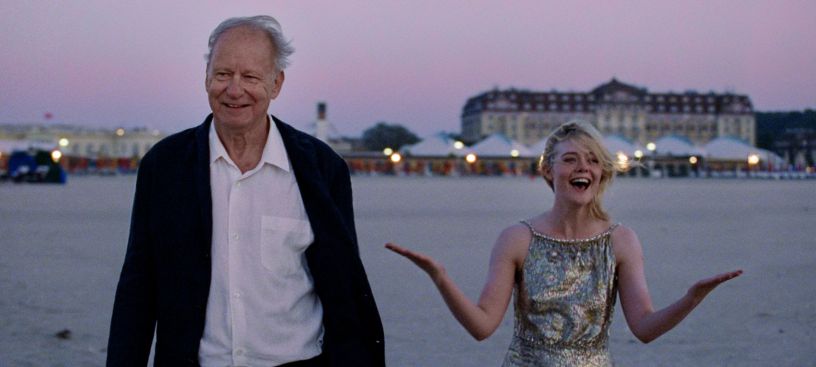
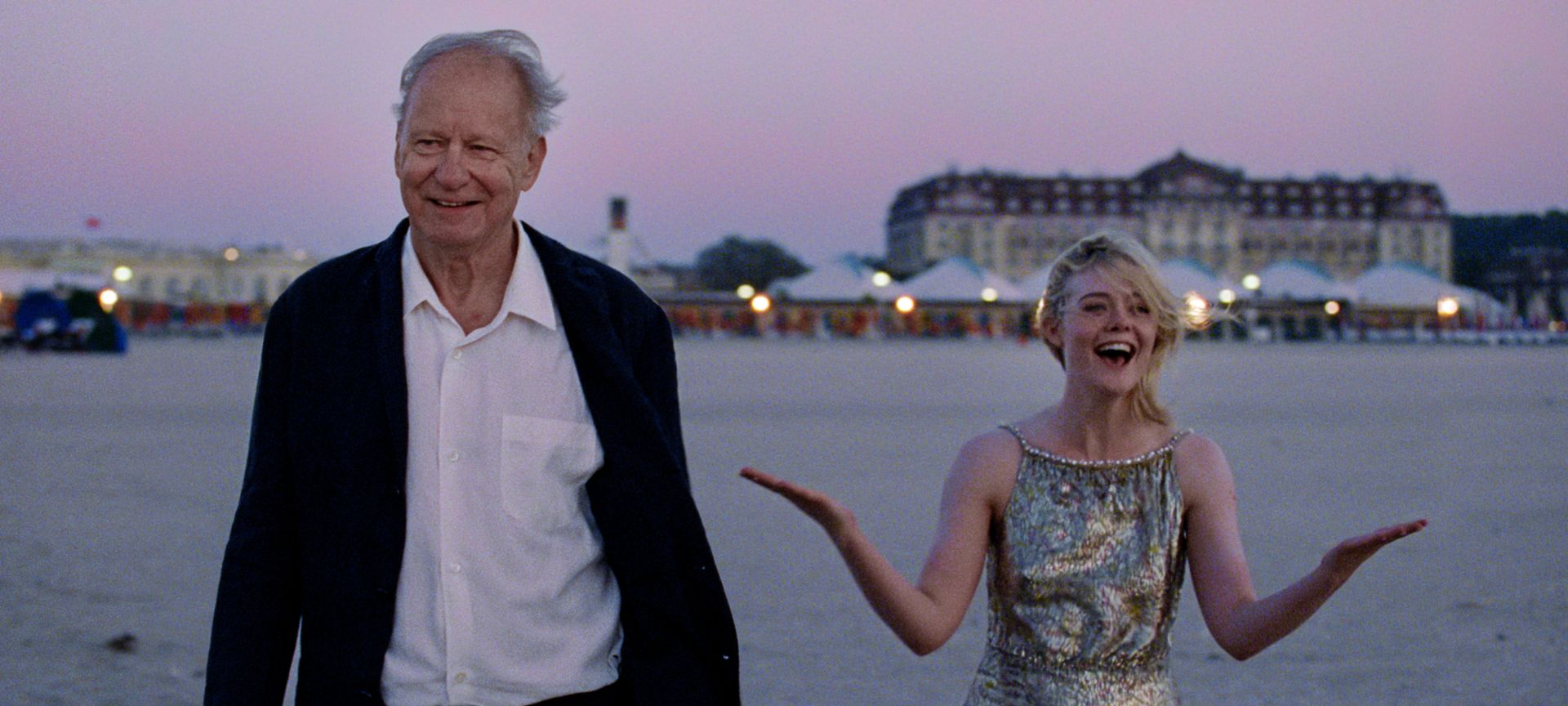
With a career as brilliant, storied, and varied as his, it’s very hard to pick any one Stellan Skarsgard performance as *the* career highlight, but it would be just as hard to argue with anyone who chose to put his work in Joachim Trier’s wonderful Sentimental Value in that top spot. As an Ingmar Bergman-esque genius Scandi filmmaker/terribly absent father, Skarsgard provides a truly exceptional supporting turn in Trier’s follow-up to The Worst Person in the World, exceptionally charming and vibrant yet also weighted with tragedy and regret in even the smallest of movements, just like the film around him.
As great as Skarsgard is, though, he’s not top of the cast list here. Instead, that honour goes to Renate Reinsve, reuniting with Trier and playing Nora Borg, a theatre actress and the semi-estranged daughter of Skarsgard’s Gustav. Though the emotional scars of a crummy dad remain, Nora and her historian sister Agnes (Inga Ibsdotter Lilleaas) are mostly getting along fine without him in Oslo, until he returns for their mother’s funeral, carrying with him a script based on their own family history that he wants Nora to star in. It’s a request that reopens too many old wounds for Nora, who turns it down, inadvertently handing the role to famous American actress Rachel Kemp (Elle Fanning), who find herself slowly transforming into Nora.
Despite Sentimental Value revolving around movies, it’s less a ‘love letter to cinema’ and more a tribute to art in general and the way it’s able to say things for us when directly expressing a feeling becomes unbearable. It’s a slower burn than The Worst Person in the World, less peppered with magical moments like that film’s time-stop fantasy but just building and building to a genuinely perfect finale, every feeling and shared moment gathering and culminating with incredible, silent power.
Alongside Skarsgard’s brilliance, Reinsve is, again, luminous, while Fanning’s inherent glamour makes her a perfect choice for Rachel, who is welcomed like a goddess in Norway when she arrives for the rehearsals. Trier’s Oslo continues to look beautiful, bathed in light and colour, with no location more beautiful than the Borg family home, a wonderful house with a fantastical red and black exterior and decades of life recorded in its walls. Trier and regular co-writer Eskil Vogt essentially make this house another full character in the film, flashing back to previous generations’ lives within it, from its initial construction to holding secrets during the Nazi occupation to its post-war days as a bohemian party castle.
It’s a family history that becomes far more than just backstory, its influence shuddering through the current generation as they work through their own problems. It’s a fascinating choice, one that grants Sentimental Value incredible scope and ambition without ever having to break away from the immediate intimacy that makes its story and characters so utterly compelling. Just as rich, warm, humane, and funny as its gorgeous predecessor, Sentimental Value is another triumph from Trier, zipping by in a haze of tears and smiles.
 Jack Blackwell – Film Reviews