From the moment that Emerald Fennell’s take on Wuthering Heights was announced, everyone has been mad as hell about it. Mad about the inevitable self-consciously edgy sex-ification, a literary classic reduced to BookTok smut. Mad about the casting; too pretty, too old, too white. Mad in general about Fennell herself. Now, we can finally see if all the pre-written, sight unseen hatred was on the money. And the answer? A little bit, yeah. Like Promising Young Woman and Saltburn, this is a story told shallowly with an overconfidence in its own shock factor. Yet, it’s also visually and sonically splendiferous, a lavish treat on the big screen, bringing secret sex on the Yorkshire moors to life on a scale generally reserved for Star Wars and superheroes, and there’s value to that.
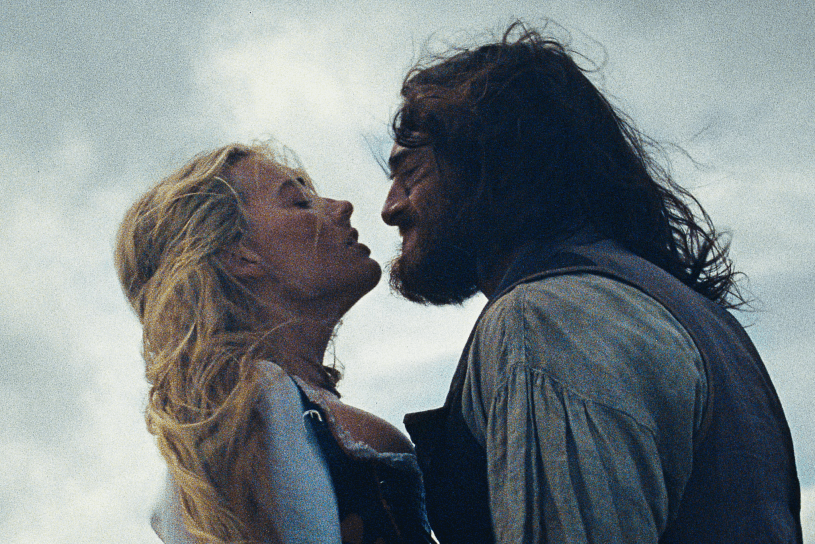
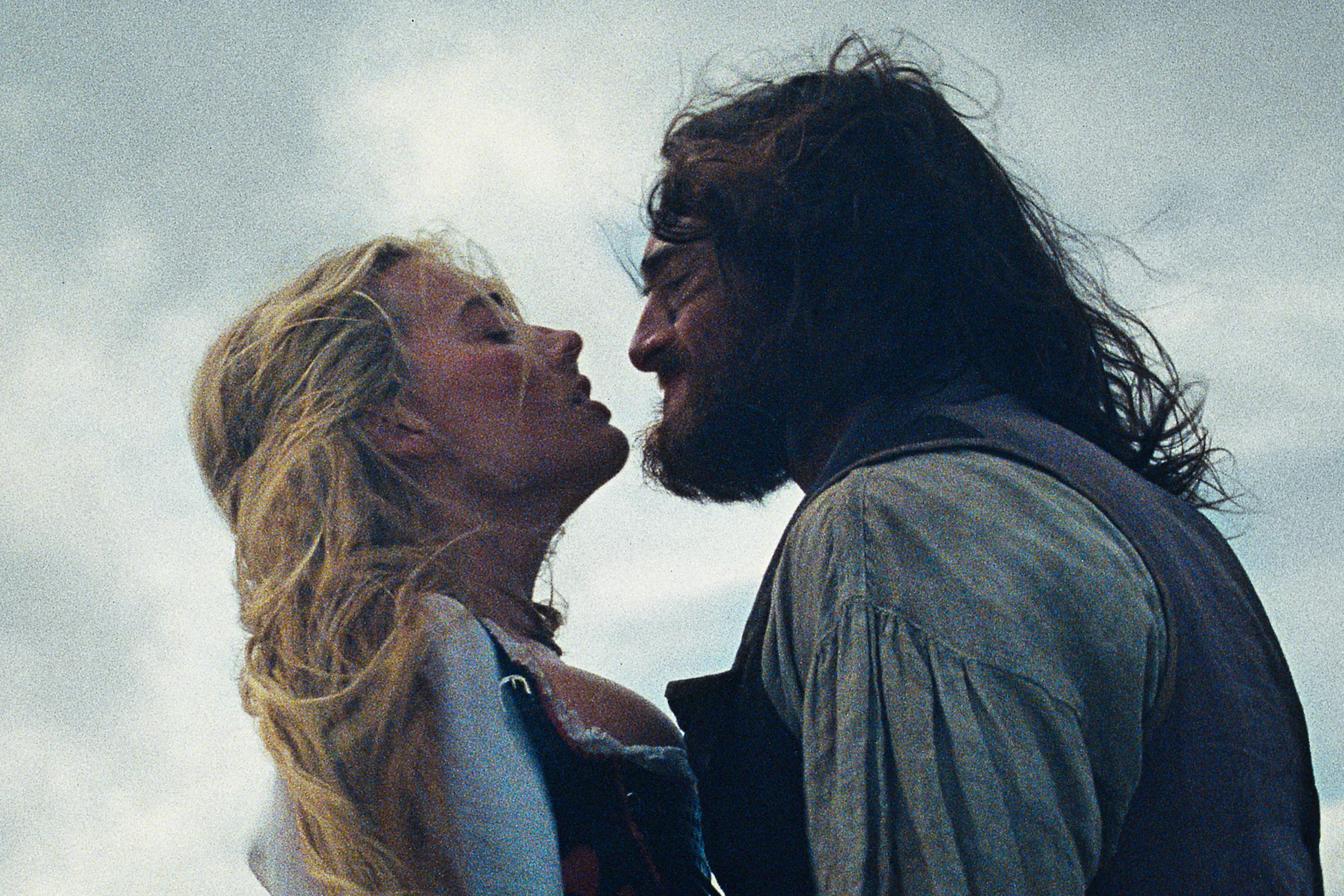
Though there were rumours of Fennell’s going meta here, this is, plot-wise, a fairly straight take on Emily Bronte’s novel – as is common in screen adaptations, the second act is trimmed out, keeping the focus pretty much exclusively on Cathy (Margot Robbie) and Heathcliff (Jacob Elordi). It is in this lead pair that Wuthering Heights has managed to land itself a real budget and blockbuster levels of buzz, a savvy financial decision that ends up a largely compromised artistic one.
Put simply, it is just quite hard to believe in these iterations of these characters. Much ink has already been spilled about Elordi’s casting ignoring the ethnic implications of Bronte’s description of Heathcliff in the book but, in the film as presented rather than an anthropological exercise to get angry about online, he works well enough here, going from wild to vampiric with clever usage of his colossal frame. It’s not particularly deep work, but it’s functional; the actual problem here is Robbie (though both are handily outacted by Alison Oliver as the tragically easily led Isabella, who masters Fennell’s ridiculous tone in a way the top-billed leads simply can’t).
Her Cathy, as per usual, has been aged up from the book – her father (played by Martin Clunes, killing it in the only truly renegade casting choice in the film) complaining about her entering spinsterhood – but retains a teenage petulance that, on a woman in her 30s, comes across as a bit dim. Robbie is one of the few true Movie Stars under 40, able to light up and propel entire films, but, as it turns out, ‘19th Century Yorkshire aristocrat stuck in a state of arrested development’ falls outside of her wheelhouse. It’s a problem that Wuthering Heights can’t ever really solve, though Fennell does do her best to chuck as many distractions as possible our way.
Her love of sexually aggressive but ultimately empty transgression is back in full force, with the very opening scene being a dying man getting a big boner as he is executed by hanging, surrounded by a ferally aroused crowd. Elsewhere, there’s fluid, filth, thin white shirts getting wet, and some very anachronistic-feeling BDSM, but it’s all hollow – Fennell does away with any actual sensuality whenever it’s time to just tell the story, the horniness just an occasional aesthetic rather than serving this tale in any substantial way.
Much, much more successful is the design work. Costumes are consistently striking and memorable, while the half dollhouse, half theatrical exteriors for the grand houses of the Earnshaws and Lintons are wonderful, with the Linton house just as dizzying inside thanks to eerie reflective floors and grotesque, flesh-coloured bedrooms. Meanwhile, Linus Sandgren’s epic VistaVision cinematography makes the moors look suitably wild and ancient, all mist and rock and ways to get lost in the driving rain. The Charli XCX-heavy soundtrack is also great, its out-of-time nature a perfect fit for the strange sets and props (look out for vase-shaped fishbowls and giant strawberries) that really separate this Wuthering Heights from all its predecessors.
It all adds up to something pretty far away from being a classic – for me, this puts Fennell three-for-three in making stylish but otherwise middling films – but also not the disaster that many had gleefully pre-ordained it as. Grand and stylistically bold, there’s fun to be had, especially if you’re surrounded by a slightly giddy audience and, for all its flaws, if this can be (as it looks like it will) successful enough for studios to start putting some real money back into grand cinematic romances, then it may leave a noble legacy.
 Jack Blackwell – Film Reviews