Last year, writing duo Alexandre de la Patelliere and Matthieu Delaporte adapted The Three Musketeers across an epic cinematic two-parter for director Martin Bourboulon. Now, the pair return to the worlds of Alexandre Dumas as directors themselves for an equally grand and charmingly old-fashioned take on The Count of Monte Cristo, taking in the legendary story of betrayals, lost loves, and one of the most absurdly complex vengeance plots in literature across a sweeping and very fun three hours. It’s the kind of lavish and capital-R Romantic adventure story they don’t put in cinemas much these days and, despite a few flaws and gripes, it’s a fantastic showcase for the genre on the big screen.
Pierre Niney takes on the role of Edmond Dantes, a brave and well-loved 22 year old sailor in early 19th Century France. His easy popularity earns him the enmity of jealous captain Danglars (Patrick Mille) before stumbling by complete accident into a conspiracy plot that also makes him enemies of Paris Prosecutor Gerard de Villefort (Laurent Lafitte) and back-stabbingly ambitious former friend Fernand de Morcef (Bastien Bouillon). These three join forces, and it’s not long before Edmond is chucked into a cell for 14 years, presumed dead by his wife-to-be Mercedes (Anais Demoustier), who falls into Fernand’s grubby arms.
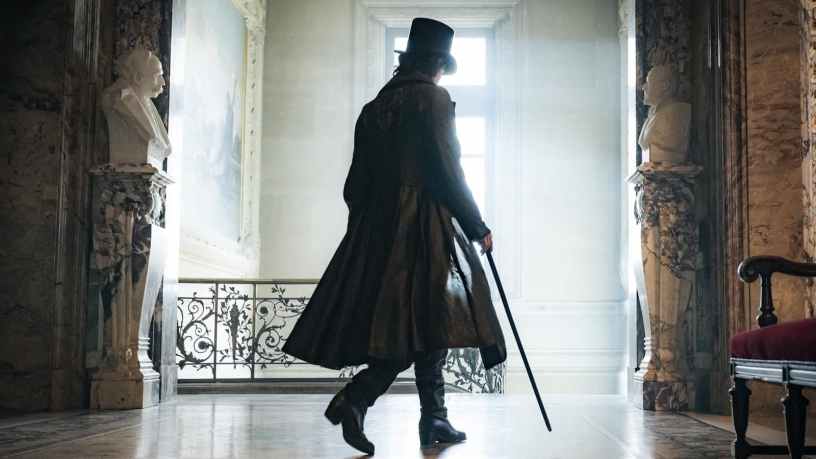
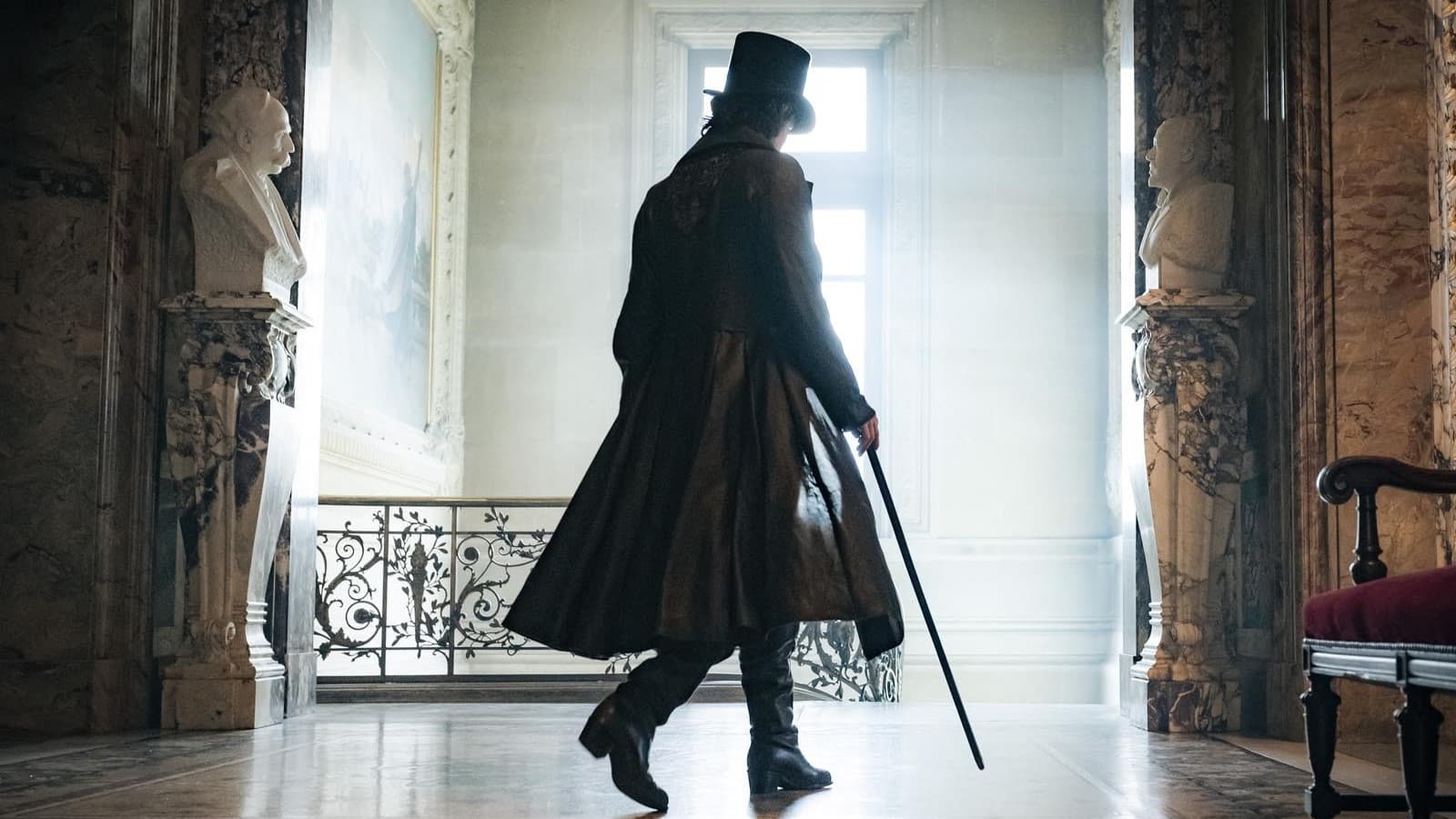
From here, it’s a matter of Edmond’s escape, facilitated by learned and well-travelled cellmate Abbe Faria (Pierfrancisco Favino), and discovery of a vast stockpile of ancient Templar treasure, riches that allow him to return to France as the mysterious Count of Monte Cristo and wreak havoc on the lives of the unsuspecting villains. There’s a lot of enjoyable silliness in this plot, and de la Patelliere and Delaporte are happy to lean into that, taking plenty of time to let Edmond, in his new guise, infiltrate the world of the elite, all while wearing a series of fantastical disguises (the hair and makeup work is superb).
There’s more than a hint of Batman to proceedings, especially in the moments where Edmond shares his plans with his two young accomplices, also wronged by his three enemies, and it’s a heightened tone that really works for the story, making the relatively frequent clunky bits of writing/line delivery less immersion-breaking. The overall pacing is great – this is a brisk three hours – but a few of the Big Lines land rather leadenly, which might be a lost-in-translation issue, but is still a weakness.
What never gets lost in translation, though, are the production values. All the grand houses and beautiful countrysides, all verdant greens and splendid golds, look immaculate and if the cinematography is generally more just functional than it is actually interesting, the locations more than make up for it. Even the prison island looks pretty great thanks to the Powerade-blue water surrounding it and, if nothing else, you’ll be dying for a holiday to the south of France by the time the credits roll.
Maybe counterintuitively, given that it is itself very long, The Count of Monte Cristo is a perfect ‘end of a long day’ film – something both complex and familiar/easy to pick up, with a bunch of beautiful architecture or nature to look at pretty much constantly. Since Gore Verbinski’s Pirates of the Caribbean trilogy ended, Hollywood has struggled to buckle many swashes, but with this and its spiritual Musketeers predecessors, it looks like the French have taken up the slack to serve up old-school adventure with the budget it deserves.
 Jack Blackwell – Film Reviews
I really enjoyed their Three Musketeers so keen to see this one