Whether it’s ‘kill’, ‘eat’, ‘infiltrate’, or just plain ‘envy’, ‘[x] the rich’ has become a pretty tired cinematic elevator pitch in the last decade. What is most impressive, then, about Samuel Abrahams’s feature debut mockumentary Lady is that it finds a genuinely fresh word to complete that sentence – ‘pity’. Here is a tale that starts out worryingly Saltburn-esque before transitioning to something stranger and sweeter, a bracingly unfashionable reminder that while wealth and privilege solve a lot of problems, they’re not, by themselves, the answer to loneliness and grief.
This specific set of loneliness and grief is possessed by Lady Isabella (Sian Clifford), a woman approaching middle age as one of just two inhabitants of the colossal Ravenhyde Hall, cohabiting with just one loyal staff member, Becky (Juliet Cowan), who is often unfindably lost in the palatial maze that is the grand estate. Starved for attention, Isabella has hired a documentarian called (in what feels like an unnecessarily meta touch) Samuel Abrahams (Laurie Kynaston) to make a film about her and her artistic talents, faking interest and funding from Netflix to get Sam and his crew involved. So far, so class war comedy – an inept and deluded aristocrat, her long-suffering staff, and a sneeringly above-it-all film crew watching it all play out.
Abrahams and co-writer Miranda Campbell Bowling break this pattern early, though, asking for sympathy for Isabella despite how annoying she might initially come across. Her self-obsession is not just ‘affluenza’ but a real response to real trauma (a tragic backstory and a brief phone call to a doctor who sounds more predatory than helpful hammers home how invasively small Isabella’s world actually is), while Sam the director, hardly a non-posho himself, cleverly mirrors all her more grating traits. And then Isabella starts turning invisible.
This is Lady’s big gambit. After a frantic confrontation with the crew after the Netflix lie is revealed, Isabella’s hands disappear, a condition that slowly spreads across her whole body. Already a rather defeated woman, this final straw of vulnerability turns Isabella from laughingstock into tragedy, which lets the film get both funnier and sweeter as it simultaneously gets weirder and sillier. The relationship between her and Sam deepens and complicates completely believably thanks to both the empathetic script and a pair of brilliantly awkward performances from Clifford and Kynaston. The effects that bring the invisibility to life might be a little iffy, but it proves a fantastic twist on the ‘rich weirdo’ formula while also serving as a not-so-subtle commentary on how the world sees women once they turn 40.
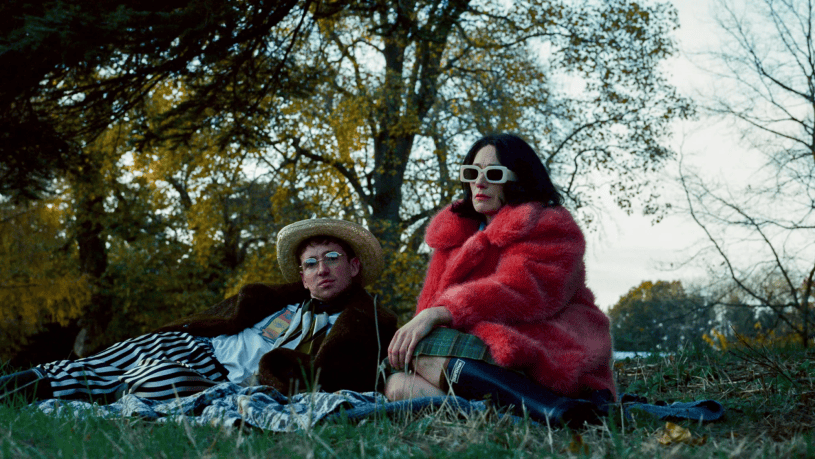
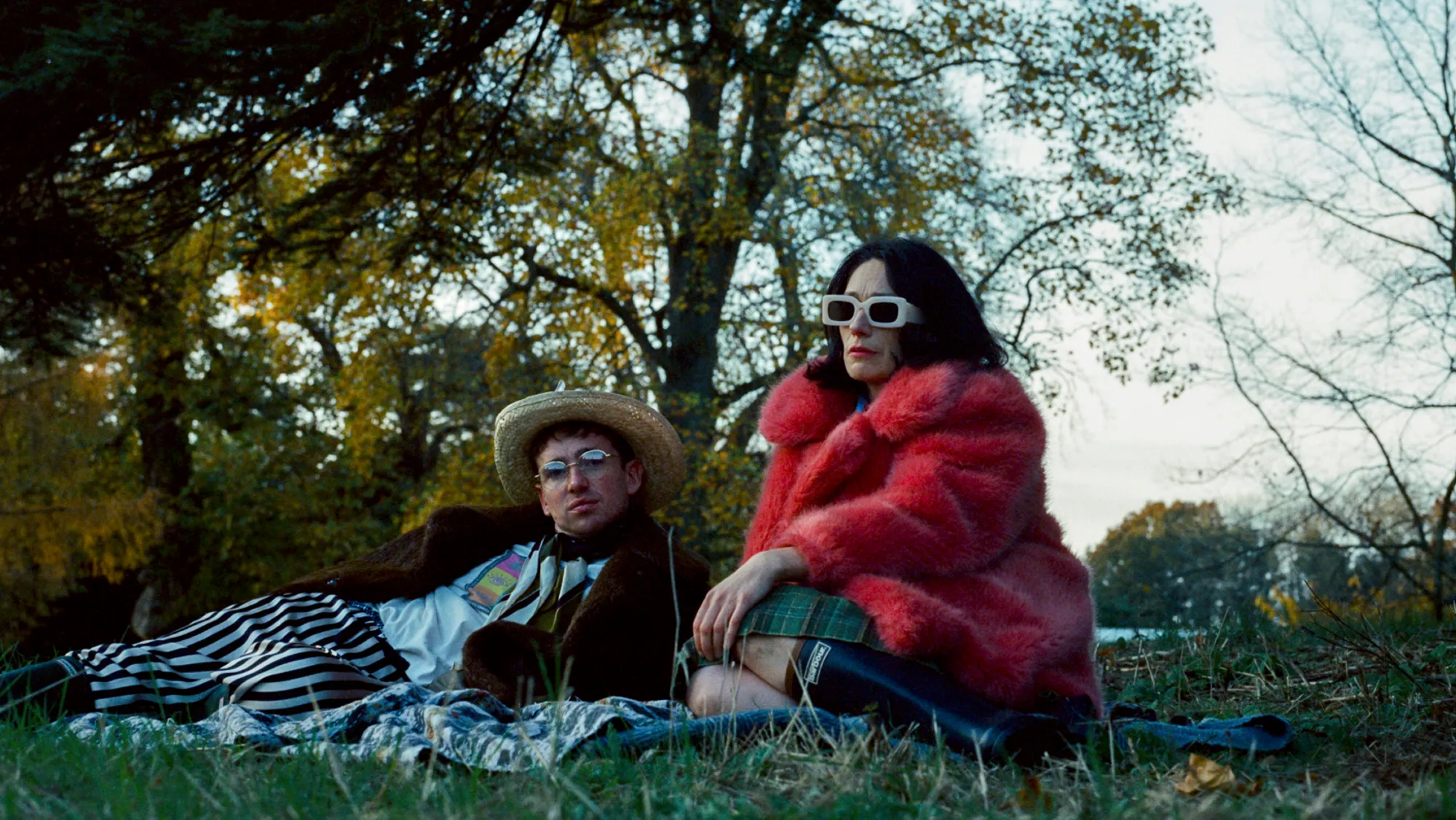
Shot exclusively within the grounds of the estate with a minuscule cast list, Lady is a debut that knows how to spend its clearly very limited money and time, removing all logistical frills but still managing to get some gorgeous visuals in when it wants to. Boxy, grainy, home-video-style camerawork melds very nicely with the low winter sun to create a dreamy atmosphere in which Isabella’s invisibility feels at home. Nowhere near as ‘satirical’ as I was expecting (for the better) and also maybe less funny than I was hoping for, Lady lands its ridiculous story with a warm-hearted confidence that is far more moving than a finale of a film about a disappearing ponce has any right to be.

