When presented with the true story of legendary writer Thomas Mann on a road trip through a divided, still-broken Germany in 1949, accompanied by his daughter and haunted by the suicide of his son, you’d think most filmmakers would lean towards epic breadth and sweeping scope. Pawel Pawlikowski – who needed less than 90 minutes to tell a magisterial, multi-decade love story with Cold War – is not most filmmakers. Instead, his Fatherland barely scrapes past the 80-minute mark and holds its characters at such an intellectualised remove that, despite his various formal triumphs and a sublime lead performance from Sandra Huller, I came away from this historical oddity mostly blank.
Huller plays Erika Mann, the daughter and assistant (she drives him, translates for him, edits his speeches, even shaves the man) of Thomas (played by Hanns Zischler). Thomas has been invited by both sides of the German divide (the official split into East and West hasn’t quite happened yet but is imminent) to deliver speeches on Goethe, both the capitalists and the communists wanting to lay claim to his intellect. Erika, naturally, is more concerned with the death-by-overdose of her angry, depressive, yet loving brother Klaus (August Diehl), whose ghost seems to follow the surviving Manns across various banquet halls and into their dreams.
With such a short runtime, Pawlikowski and co-writer Henk Handloegten ultimately prioritise the wider stakes over inner lives, lots of monologues about literature and conversations about the fate of a Germany split in two and how it is already laundering its Nazi past. It’s historically interesting stuff, sure, but (largely unfamiliar as I am with the writings of both Mann and Goethe) having a bunch of academic lectures instead of richer character work left me unmoored. Even the more conventionally emotional ending is too little too late for making a deeper connection – I found very little of the messy, beautiful humanism of Cold War here.
Thank goodness, then, for Huller. Yes, Zischler and Diehl are also very effective, but it’s she who must really humanise Fatherland and she does superb work. Funny yet seething with rage, you see every element of Erika’s family’s dysfunction stab its way through her as she deals with her father’s ego, her brother’s tragedy, and the bizarre emptiness of a world trying too hard to move on from the cataclysmic events of a few short years ago. Huller is, also, a marvellous *shouter*, the moments in which Erika finally lets out her anger easily the film’s most entertaining.
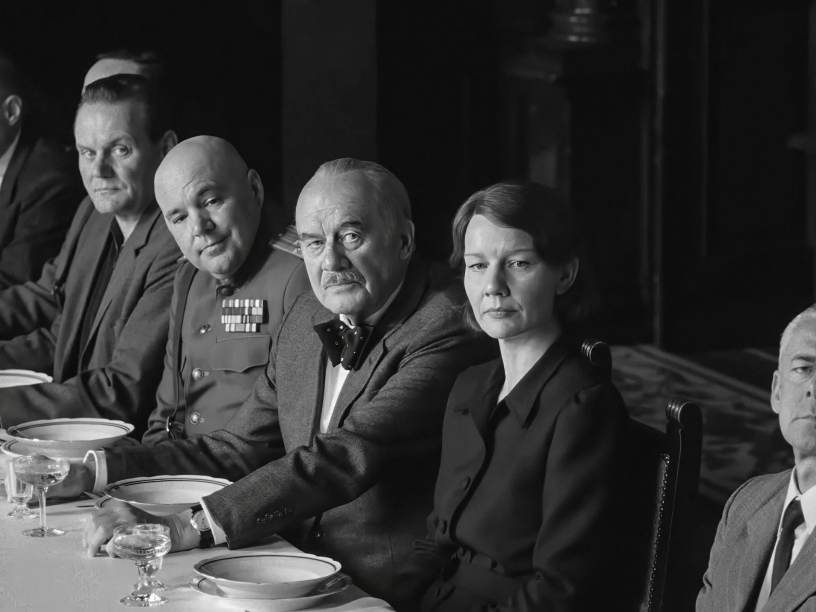
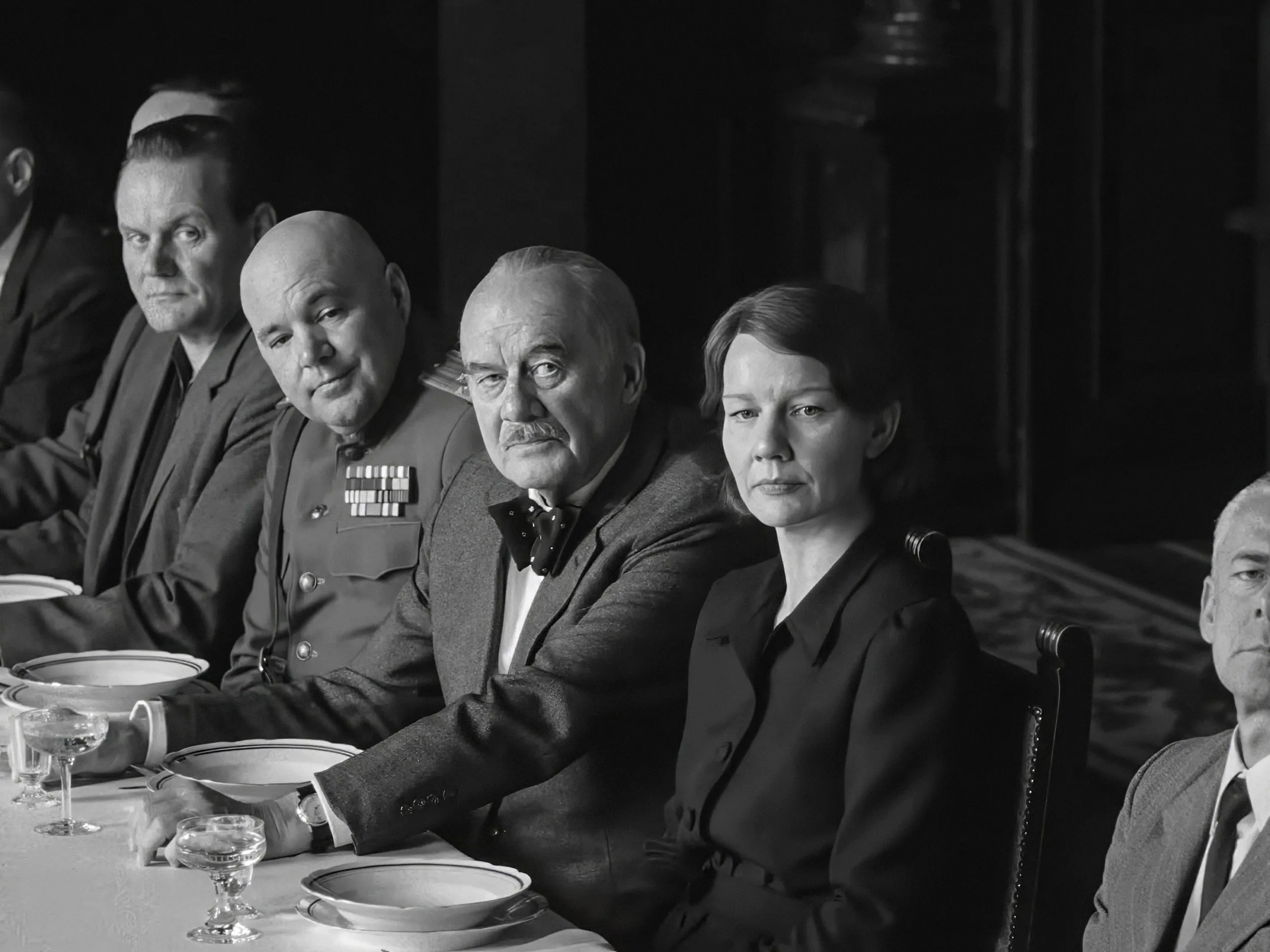
While it’s not on the same miraculous level as Cold War was visually, Fatherland does still look immaculate. Once again sticking with black-and-white and a tight Academy ratio, Pawlikowski and DP Lukasz Zal craft a bevy of gorgeous compositions, from a busy and faintly embarrassing party where something new is happening everywhere you look to an austere bombed-out castle that gives its sequence a newfound spiritual heft. The sound design is also great, buzzing and immersive in pretty much every scene. All told, I found my inability to connect with Fatherland rather baffling – this is a filmmaker I like, an interesting historical period, led by a genuinely excellent lead performance, and pulled off with slick formal skill and confidence. And, yet, I just didn’t really care.

