“How do you begin to help, or even understand, a deeply traumatised child?” is the question at the heart of writer-director Beth de Araujo’s astoundingly grim second feature Josephine. The tale of a seven-year-old girl who witnesses a rape when running with her dad out in the park, it’s a film that presents with a possibly permanently wounded child and the adults around her all in various degrees of flailing as they attempt to explain the world to her as well as protect her from it. None of them do a particularly good job in an impossible situation, de Araujo constantly asking you if you think you’d do better until the only answer you can muster is a meek “I don’t know”.
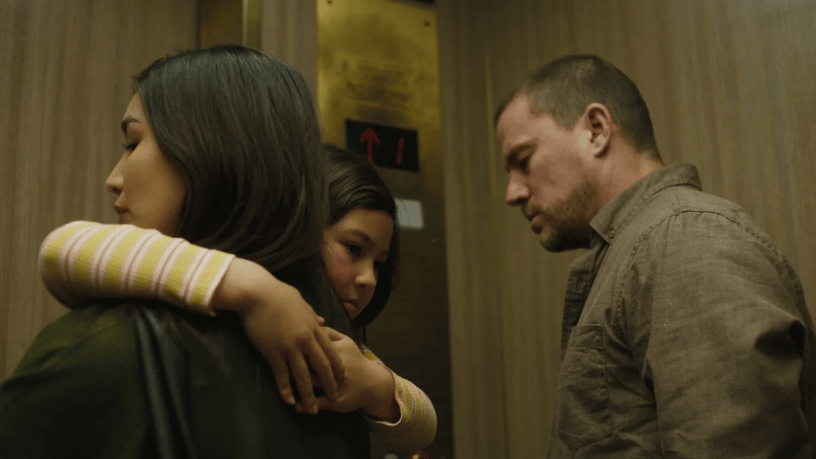
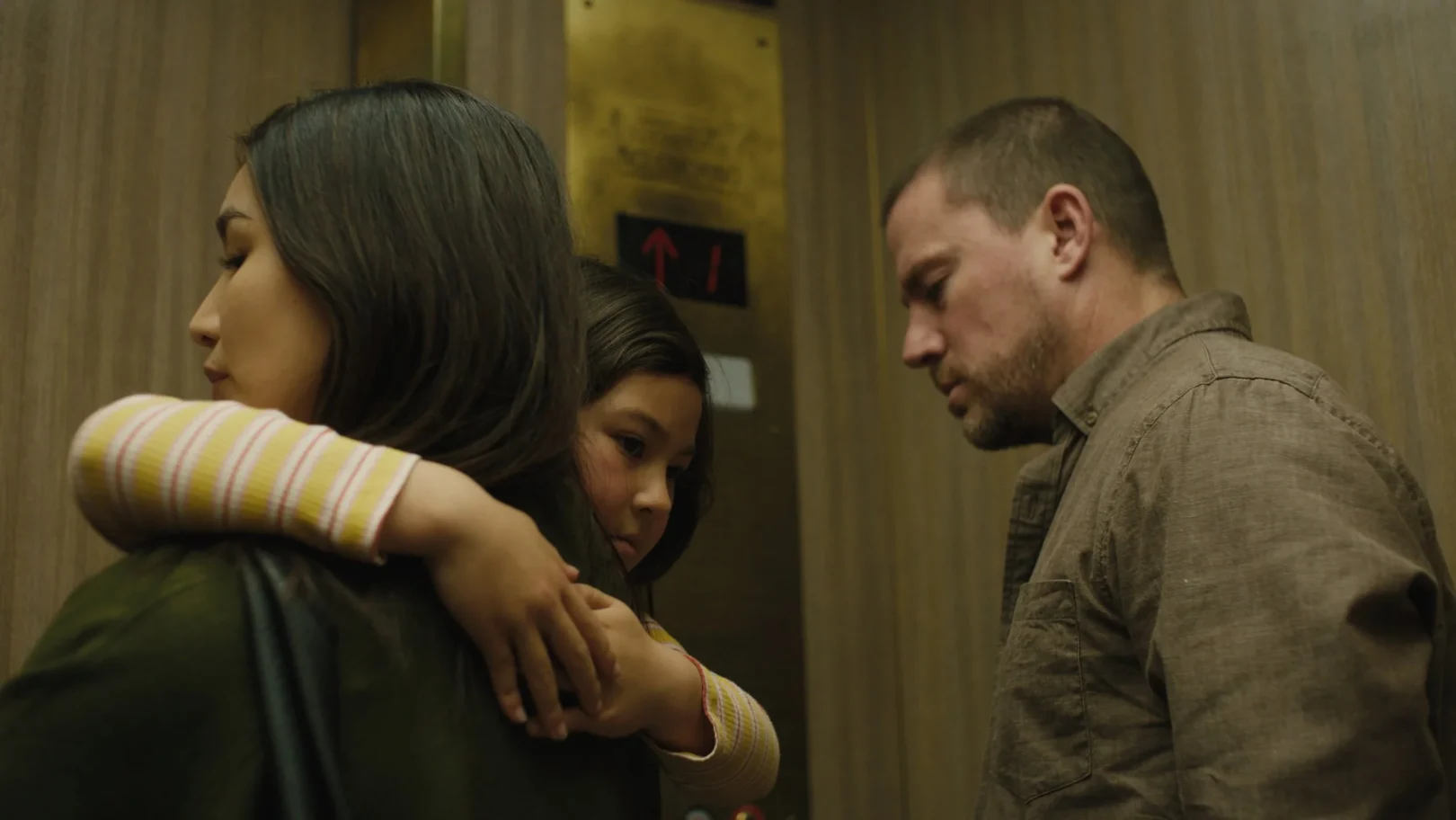
As played by remarkable newcomer Mason Reeves, Josephine is a clever, sporty young girl whose sense of herself and the world is shattered when, having run ahead of her dad Damian (Channing Tatum), she accidentally sees an extremely violent sexual assault (which, as a warning, is shown in full in unsparing detail). After a series of panicked blunders by her dad and the responding cops simply compound her trauma – it is a very long time before anyone asks Josephine if she’s ok – she retreats into fear, confusion, and a blinding anger at her parents for not being able to fix it.
De Araujo shows us the adults’ mistakes without outright condemning them (except maybe one particularly dull-witted and unsympathetic police officer). Damian and Josephine’s mum Claire (Gemma Chan) are nice liberal parents – no iPad, no toy guns in the house etc – but they’re fully blindsided by what they now have to deal with, especially as Josephine’s behaviour worsens and she becomes involved in the eventual trial as the only witness. At two hours, Josephine is perhaps a little overextended given the simplicity and repetition of its story, but it does effectively leave you with the exhaustion all the characters are experiencing.
We’re almost always seeing the world through Josephine’s eyes – sometimes literally in occasional first-person sequences that remind you just how unassailably *big* the adult world is to her – and it’s really wrenching to watch her glean more about gendered danger through snippets of overheard conversations and frightened Google searches. It’s a point of view that also allows de Araujo to deploy her most overtly showy technique, that of having the rapist become a sort of cursed imaginary friend to Josephine, often lurking in her bedroom, silently playing with her toys.
As all of Josephine is, it’s very distressing (a later courtroom scene is just blood-boiling as the defence attorney grills Josephine), to the point where you do find yourself worrying a bit about Reeves herself. She gives an incredible performance of bewilderment and terror, her sudden silences and explosions of rage always feeling natural; Tatum is great too and Chan, an actor I’m not often convinced by, is the best she’s ever been. A tonally askew ending aside, this is brutal, fearless filmmaking that sets out to test you at every step.

