A full 16 years after her debut film, German director Sophie Heldman makes her return with English-language effort The Education of Jane Cumming, a telling of a true story from Scottish history that once inspired Lillian Hellman’s play The Children’s Hour but here is tackled much more directly. It’s an earnest but modest look at a collision of race, gender, class, and sexuality in 1810 Scotland that grounds itself with impressive performances but never quite finds the drama in its own story, spending a lot of time in preamble before rushing a conclusion that seems to end well before it should.
Working backwards from a libel case brought by two teachers against the eponymous Lady Jane Cumming (played here by relative newcomer Mia Tharia in just her second film role), Heldman and co-writer Flora Nicholson largely elide the actual legal proceedings, most of which are covered in simple intertitles before the end credits. Instead, they mostly focus on Jane’s arrival and first few months at the school she would eventually be sued by. 15 years old and half-Indian (her British father was stationed at Calcutta with the East India Company), Jane is shipped off, along with her casually cruel and racist cousins, to a boarding school by her imperious grandmother Lady Cumming Gordon (Fiona Shaw, fantastic as always).
Largely rejected by the other girls at the school, Jane instead spends her time with the two teachers, Miss Woods (Clare Dunne) and Miss Pirie (Flora Nicholson, pulling double duty as both writer and star). As she gets closer to them and more distant from her peers, she decides to ask if she can stay with them forever and join them as teachers. When they reject her completely, she makes up a story of the pair of them having lesbian sex in front of the school’s girls (both teachers and all their charges sleep in two dorm rooms in the schoolhouse).
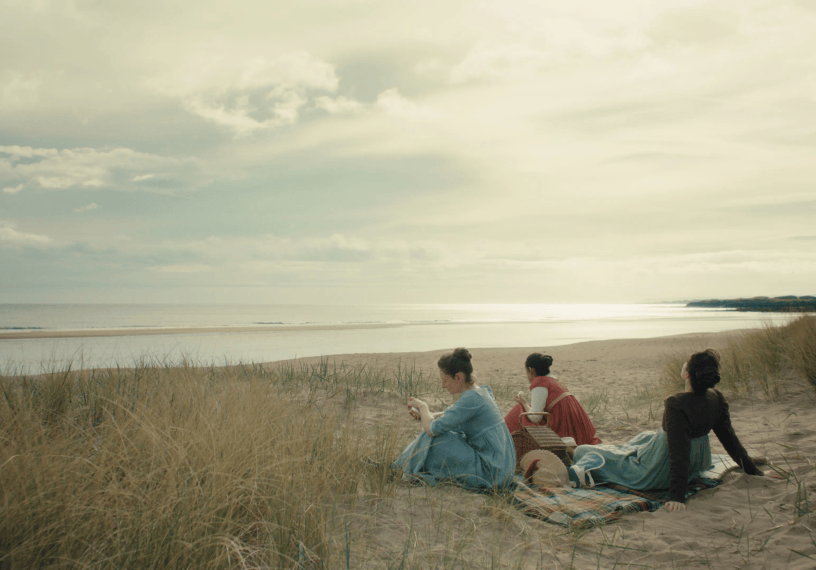
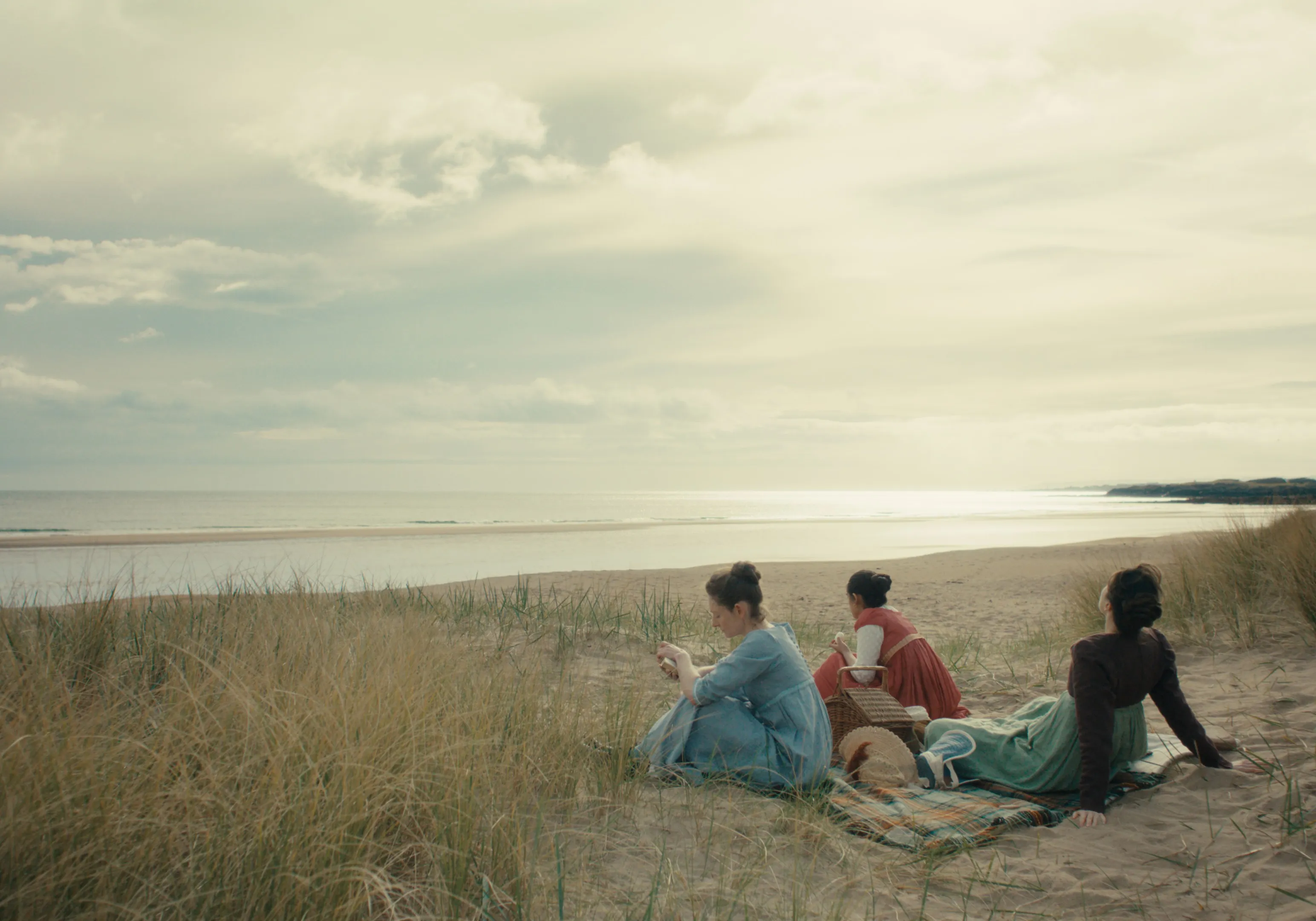
It’s a truly ruinous accusation that the film paints as a complete lie (in a darkly funny touch, the way Jane describes sex is lifted entirely from a raunchy conversation between her classmates that she eavesdropped on without fully understanding), but the genuine drama this creates takes way too long to get to. The Education of Jane Cumming meanders a lot, and while the cast is compelling – Dunne and Nicholson are affecting leads and all the girls of the school are very well drawn for their small roles – and the visuals are lovely (it’s too rare that I get to praise a really great colour grade), my interest did wane.
Perhaps the full scope of this story is just a bit too grand for a film this unavoidably small, taking in British imperial history, the era’s disbelief that lesbianism could even really exist, and a 10-year court case that we barely see any of. Carefully crafted by both the filmmaker and her cast, The Education of Jane Cumming is rarely doing anything wrong on a moment to moment basis; it’s just that it feels like a 110-minute prologue to an actual story.
 Jack Blackwell – Film Reviews