Though it shares its release month with a gruesome indie horror about homophobia, the latest phantasmagoria from Nicolas Winding Refn, and a new instalment of the Resident Evil franchise, you’d be hard pressed to see anything else in a UK cinema this September as harrowing as Lance Hammer’s Queen at Sea. The American filmmaker’s second effort, a full 18 years after his debut Ballast, takes him to England for a wrenching look at the realities and impossibilities of caregiving, asking brutal questions about marital rape, the vulnerability of the elderly, and the difference between being moral and doing the right thing. He leaves you with no easy answers, but the uncertainties are unforgettable.
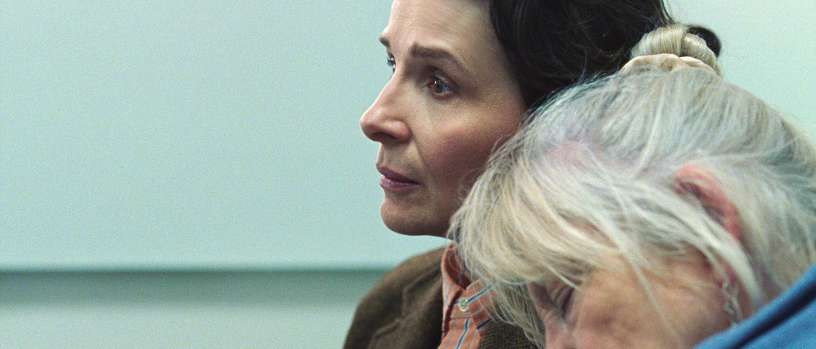
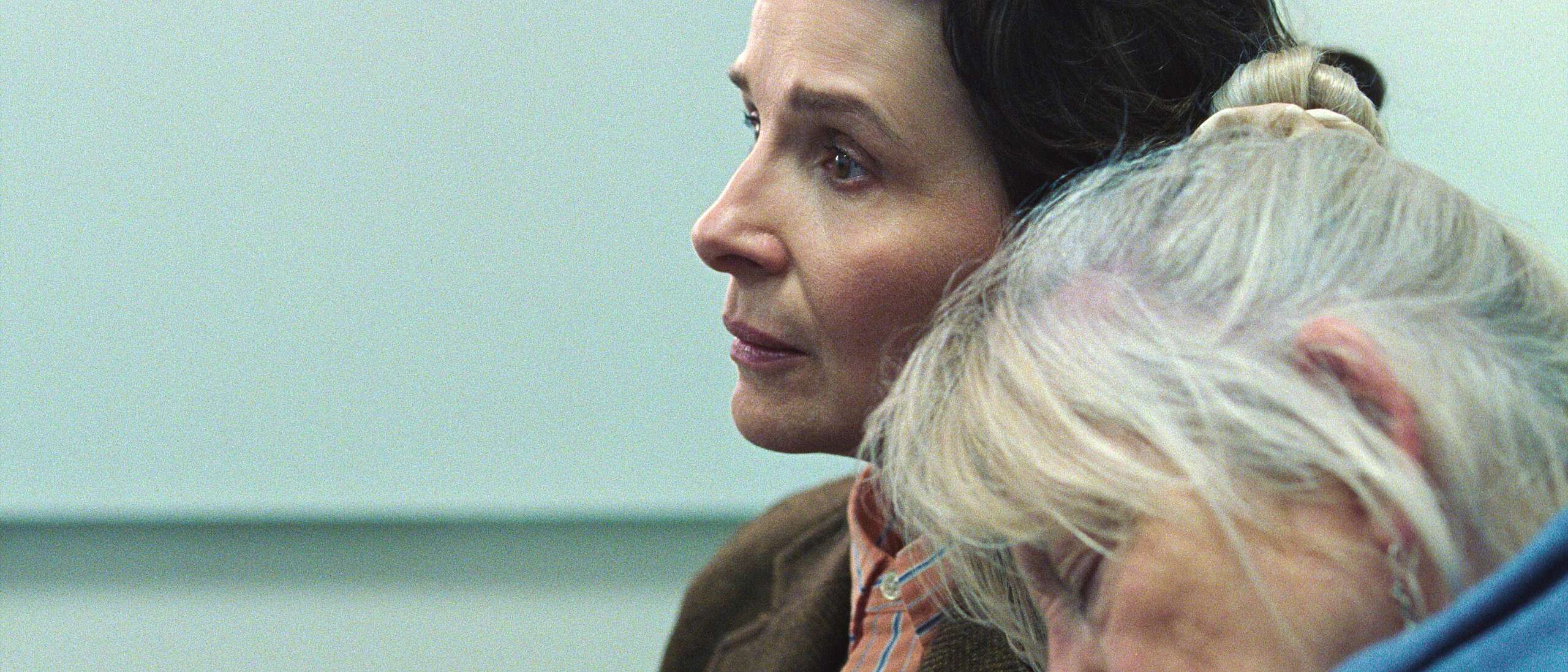
Subdued as it often is, the cornerstones of Queen at Sea are a consistently fantastic script and three exceptional performances to bring it to life from Juliette Binoche, Tom Courtenay, and Anna Calder-Marshall. Binoche plays Amanda, a university professor in Newcastle who has moved down to London to be closer to her rapidly declining, dementia-ridden mum Leslie (Calder-Marshall). When she walks in on her stepdad Martin (Courtenay) having sex with Leslie in a non-lucid state, Amanda involves the police, and the well-meaning but implacable wheels of bureaucracy start turning.
Beyond just tackling subject matter that most films would be terrified to even mention, Hammer needles you with the notion of what you think you might do in such a situation, and whether that conflicts with what you *should* do. Martin’s act is obviously criminal, immoral, and disgusting, but Leslie doesn’t seem to display any trauma symptoms from it and, in fact, continues to turn to Martin almost exclusively for a sense of security. Meanwhile, Amanda’s involvement of the authorities frightens her addled mother and threatens to separate Leslie from the tiny fragments of her life she still has the capacity to understand.
It’s tragically, profoundly moving stuff, especially in the first half, where every conversation feels crushingly real and complicated. Binoche is excellent, Amanda’s justified outrage and equally justified regret swirling around, challenging one another – Martin is, in every other way, a deeply committed caregiver, taking on a job the rest of Leslie’s family, not to mention the state, would rather not do. Calder-Marshall is devastating with very few words, making Leslie small and silent without ever fading out of the story, and Courtenay strikes a perfect balance of soulful care and a streak of nasty anger that illuminates Martin’s behaviour in the bedroom.
Crucially, despite never sparing us any of the characters’ agonies, Hammer avoids a tone of relentless grimness, many times thanks to the subplot dedicated to Amanda’s teenage daughter Sarah (Florence Hunt), who is dealing remarkably well with her life being uprooted. The mother-daughter dynamic here is warm and kind, and Sarah’s burgeoning first real romance with a boy from school is very sweet, even if it does end up being a prime contributing factor to Queen at Sea’s back half feeling a lot slower than its first. There’s a laser focus to the first couple of acts that keeps you utterly glued to the screen, and when this lets up, so does some of the film’s power.
It’s a trade-off that does feel just about worth it for the necessary tonal variety it brings, but the slackened pace is noticeable and you do inherently miss the gravity of the central grown-up performances when it’s just the kids on screen. It’s a minor stumble in the grand scheme of things though, and Hammer’s understated but compellingly deliberate direction remains a constant throughout – there’s an emptiness and coldness to the spaces here that really put you in the headspace of someone in their difficult final years of life.
As fearless and bold as any film you’ll see all year, Queen at Sea is, by design, a tough recommend, tackling taboos that other Issues Movies and even self-proclaimedly ‘edgy’ dramas would likely balk at. Hammer balances an intellectual curiosity at impossible questions with a deep empathy for the people having to try to answer them, and the result is sharp and rigorous, something far too rare in films about ageing.
 Jack Blackwell – Film Reviews