After dabbling in colonial-era jungles with The Lost City of Z, the depths of space in Ad Astra, and an autobiographical coming of age tale in Armageddon Time, James Gray returns to his home turf of crime and family in New York with Paper Tiger. While it has been interesting to watch him stretch his genre legs, Paper Tiger is about as strong an argument as one could possibly make that this milieu is where Gray truly belongs. It’s a stone cold masterwork that takes a lot of familiar ingredients and with sublime performances, incisive writing, endlessly gorgeous visuals, and a flawless command of tone, makes them all feel as new and thrilling as they ever have.
It’s 1986 and high-flying former cop/current underworld go-between Gary Pearl (Adam Driver) has an offer for his younger brother, middle-class engineer Irwin (Miles Teller). The disgustingly polluted Gowanus Canal needs cleaning up, and the Russians who won the contract need someone to keep the regulators off their back. Gary can make all the connections and Irwin has the technical know-how, and the Jewish-American brothers finally have an in now that the antisemitic Italian mob have ceded control to the more ethnically pragmatic, but less predictable, Russian mafiya. It should be easy, if ethically unsound, money, but when Irwin makes an unannounced visit to the clean-up site in an attempt to show off to his two teenage sons and sees too much, the Russians swiftly show their true cartel colours and the entire Pearl family is suddenly in deep danger.
Without ever turning them into cartoon baddies, Gray turns these Russians into some of the most intimidating figures he’s ever put to screen (and that includes Ad Astra’s rabid space baboon). The specific register of terror invoked by having someone basically incapable of violence come up against a force defined by violence is generally reserved for horror movies, but Gray has us sit in an uncomfortably real version of it almost from start to finish. At no point will Irwin be able to turn the tides with a moment of force or heroism, while Gary is one of the many contenders in the film to earn the eponymous ‘paper tiger’ moniker, and it’s really genuinely frightening as the Russians tighten their grip.
That alone would be gripping, but Gray folds this drama into a much richer tapestry of ethnicity, class, pride, honesty, and trying to be a good brother or father or mother. The latter of these roles is taken by Hester (Scarlett Johansson), Irwin’s wife who is keeping just as big a secret as Irwin is from her – scans have shown that she’s got a brain tumour and she’s rapidly losing function. There isn’t a single weak link or afterthought element here, thanks mostly to the sheer intelligence of Gray’s script, which matches Lee Chang-dong’s Possible Love as the best writing of the year so far.
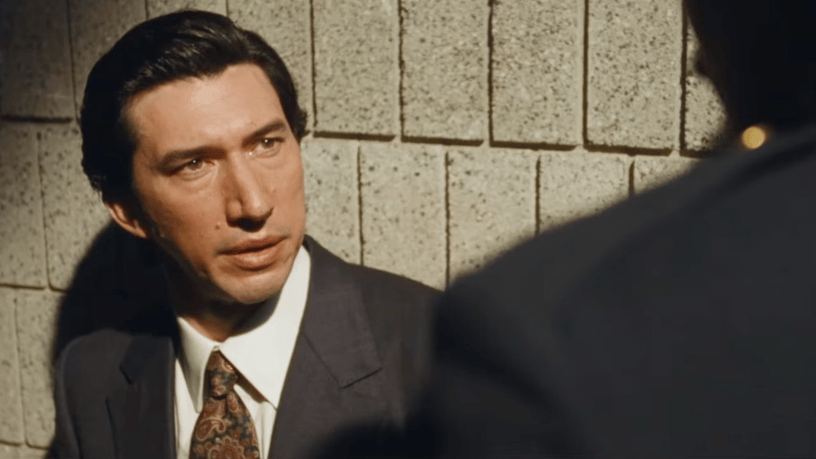
It’s a screenplay brought to life by a trio of fantastic lead performances. Driver is both frustrating and tragic as a man who believes himself to be dangerous and capable – and might have been so a few years ago – but is outgunned by the new, crueller world the Russians bring with them. Teller, meanwhile, hits a career high here, even better than his breakout work in Whiplash; a moment early on where he wordlessly lets us know, despite his reservations, just how much it means to Irwin that Gary has approached him with this opportunity is stunning. Johansson rounds it out with a deeply moving performance, brittle in places, exploding with love for her family in others, and they all bounce off of one another with endlessly compelling chemistry.
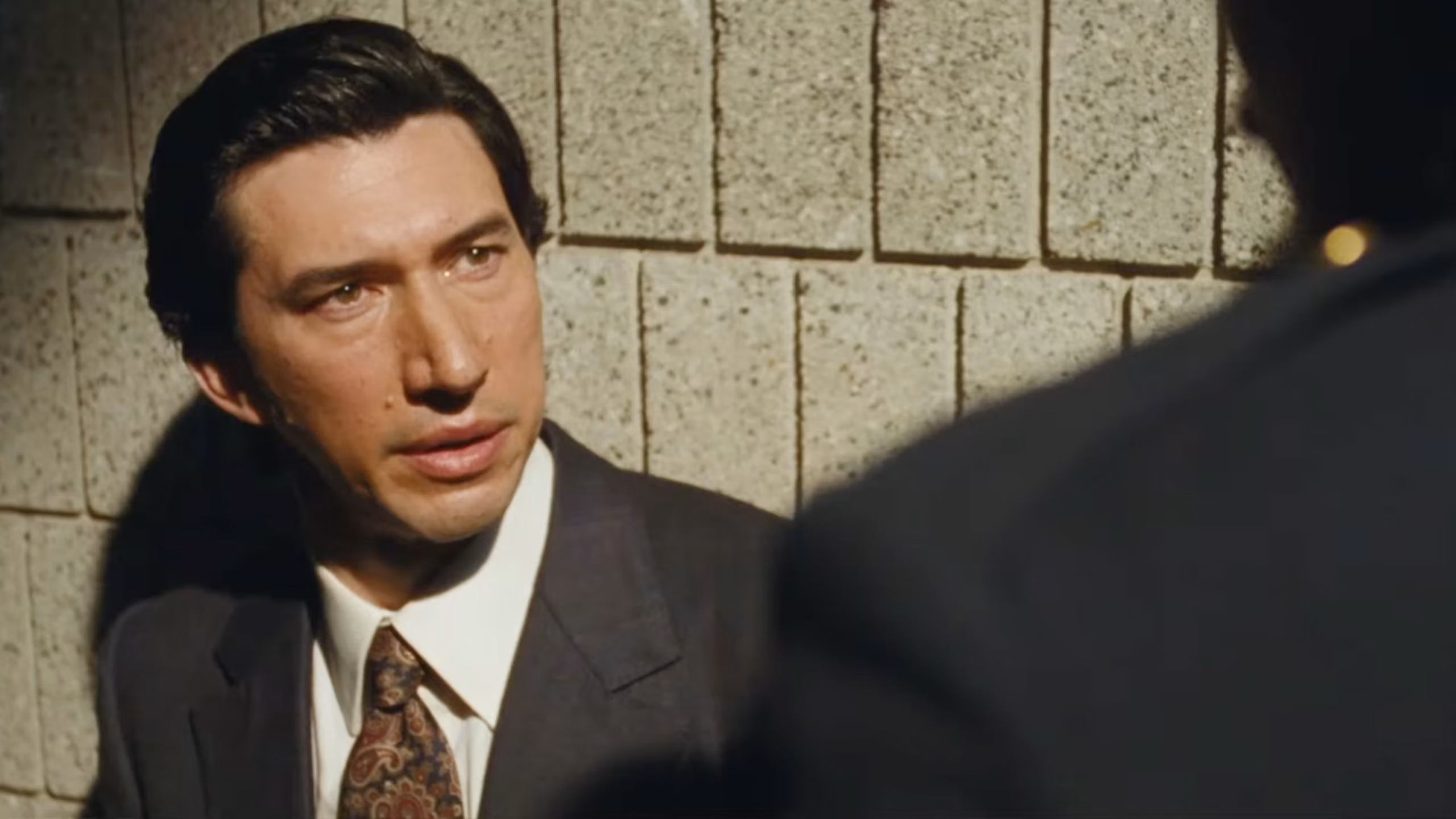
So, the writing and acting are superlative, what about Gray’s direction? It’s even better. This is muscular, old-school filmmaking at both its most exciting and most controlled, almost always flashy yet never for the sake of style alone, every formal decision informed by the immediate demands of the story. Shadows obscure gorgeously, the warm 35mm film brings this moment of New York history to instantly involving life, and the ways Gray and DP Joaquin Baca-Asay move the camera (or move the actors through a static shot) are always beautiful. It also means that when Gray pumps the brakes and hits us with a simple shot-reverse shot conversation, you know just how intently you’re meant to listen, to hear the unsaid words behind every spoken syllable.
What a film this is. A heartstopping thriller in some places, a warmly lived-in family drama in others (a quick scene introducing us to Irwin’s household through each family member’s good morning rituals is an early sign that we’re in a master’s hands), it’s also in constant, subtle conversation with the class and ethnic histories of New York. I’ve felt a little distant from Gray’s work in the past, but Paper Tiger is where all his obsessions finally clicked into place for me, intellect and sentiment finding perfect fusion in a grubby city about to become something else entirely.

